
Current e-Journal
-


January 13, 2026

What if your mission had a deadline?
In this week’s Systems Change Newsletter…
- Catalytic Thinking Exercise: What if your mission had a deadline?
- Resources to Further Your Practice
Catalytic Thinking Exercise:
What if your mission had a deadline?
Deadlines. We all hate them, and yet we know what we are able to accomplish when we have a finite timeframe for doing so.
Why, then, do we not set deadlines for our social change missions? Why do we not set the goal of “mission accomplished” for our work, and then aim all our efforts to be sure that we do, in fact, accomplish that?
Catalytic Thinking reminds us that where we aim – our thoughts - will define the actions that create our results. Rooted in The Pollyanna Principles, we know that “We accomplish what we hold ourselves accountable for.”
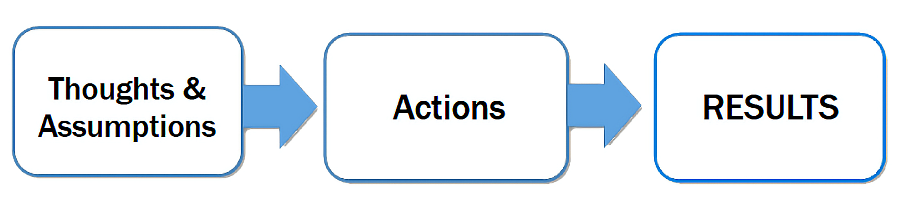
If we assume our work will keep going forever, our decisions and actions will reflect those assumptions. On the other hand, if we assume we have a finite time frame for getting things done, that may lead to very different actions!
- In what ways would that choice affect how you operate?
- The day-to-day decisions you make?
- The way you approach every aspect of your work?
At Creating the Future, these are not theoretical questions. That is because early in our existence, we established a 10-year clock for our work. As we seek to accomplish our mission within that 10 years, we know that means working aggressively to ensure that the questions of Catalytic Thinking are the questions we all commonly encounter in our work to create change.
And part of that is sharing the power we have found in setting a deadline for accomplishing something definable. What would it take for you to be able to say “Mission Accomplished” about your own work?
Try This
Whether you work at a food bank, a crisis nursery, a literacy organization, an anti-racism group – or a foundation or capacity building organization that supports those efforts - consider the following questions for the work you do. These might be a topic for a staff retreat or perhaps simply as part of your regular staff meeting or planning conversations.
What could having a fixed time horizon for your work make possible for the people in your community? How would that be different than what is made possible by having your mission extend in perpetuity?
What assumptions and beliefs might be challenged by having a fixed time frame?
If you had a fixed time frame for accomplishing your mission, what approaches might your group take towards ensuring that mission was accomplished? Would the mission change? In what ways?
What would be different about the way your work is done? What creativity might you invoke? What parts of your work might you share with others doing similar work? With whom might you partner, who you might otherwise ignore or discount?
These are the kinds of big questions that will determine what your organization accomplishes, and importantly, how quickly.
From there, you can focus on the specifics. What will “mission accomplished” look like? And what would it take to actually accomplish your mission within a specified timeframe? Let the questions of Catalytic Thinking guide you…
- What will be different in your community? And especially BY WHEN?
- What conditions must be put in place to be sure that can happen?
- What actions will you take to create those conditions?
- You will likely need to partner with others, to make sure you can implement those actions. Who might you partner with?
- What else will you need in order to do that work?
- What do you have to build up on, to accomplish that?
This is not just about groups that are working to heal and help those who are hurting. The questions apply to arts and education missions as well. What would be different about your theater group or your educational enrichment group, if you knew you had a fixed timeframe in which to accomplish something bold and dynamic for your community?
For so many folks around the world, the year ahead is going to be tough, socially and economically. Now more than ever, our communities are depending on us to make life as livable as possible.
That is why it is so important to set goals that center our vision for the world as achievable. Because unless something is physically impossible, it is absolutely possible. And the questions of Catalytic Thinking are your guide to turning those dreams into Mission Accomplished.
Resources to Further Your Practice
- READ: A more detailed look at our own decision to have a 10-year clock for our mission. Read it here…
- LEARN: Create a doable plan for creating the future you want for your community. Start planning here…
- READ: Here is what the folks at Zen Habits have to say about the power of deadlines. Find out here…
Help Keep Our Programs Freely Available
Creating the Future’s eJournal is free. And there are no financial barriers to our classes – tuition is whatever folks can afford. Because we never want money to stand in the way of people learning.
If you value our content and our approach, please donate here – and please consider becoming a monthly supporter of our work.
eJournal Archives:
If you’re new to our eJournal, or just want to remind yourself of past practice exercises we’ve shared, check out our eJournal archives here.

SUBSCRIBE
to get this e-Journal
Creating the Future is a 501(c)(3) tax exempt organization in the U.S.A