
CATALYTIC THINKING: Our Guiding Principles & Values

At Creating the Future, all our work is rooted in our values as reflected in Catalytic Thinking, a question-based framework for making visionary, progressive change achievable, to create a future different from our past. Our work is aimed at creating a future that is more inclusive and humane, more possibility-focused, rooted in the unique strengths of what it means to be human. To that end, all our programs, all our meetings and discussions – even this website itself – are examples of Catalytic Thinking in action.
You’ll find an introduction to Catalytic Thinking below. In addition, this brief overview hits the highlights.
In addition to the values embedded in Catalytic Thinking, you can find the Statement of our Values in Action at this link:
Catalytic Thinking: Overview
Catalytic Thinking is a framework rooted in QUESTIONS that accelerate mindset shifts, helping changemakers create what is possible in their communities.
- Shifting from incrementally reacting to what’s wrong, to making transformational, visionary change an achievable goal
- Shifting from making decisions on behalf of others, to building trust and relationship, to accomplish together what none of us can accomplish on our own
- Shifting from going it alone to the power of Collective Enoughness, sharing and building upon each other’s strengths
The result of these shifts is a radically inclusive, radically strength-based, and radically visionary approach to creating real change, aimed at creating a future that works for all of us - people and planet.
Why Thinking? And Why Questions?
Catalytic Thinking focuses on “thinking” because the results we see of any effort begin with the thoughts and assumptions that create our actions. That is true whether the results we're seeking are about communicating with a loved one or an effort to alleviate poverty in a community.
Changing assumptions can happen smoothly and gracefully once we realize that assumptions are simply the answers to questions we didn’t even realize we were being asked. What will happen if we do X? Who can we trust? How will we survive? Are there enough resources?

That is why we call it “Catalytic” thinking. By changing the questions we ask in our day-to-day lives, small actions create big results, and fast.
Rooted in brain science and focused on cause-and-effect conditions that will tumble like dominoes towards high potential outcomes, Catalytic Thinking’s questions are embedded with different assumptions than the questions we are all used to hearing and asking.
The core tenets at the heart of those assumptions are these:
- The Power of Causality: Unless something is physically impossible, it is possible. Our power to create visionary results therefore lies in our power to create favorable cause-and-effect conditions towards those results.
- The Power of People: It’s always about the people; it’s never about the “thing.” The most favorable conditions we can create are those that bring out the best in people vs. focusing on stuff.
- The Power of Collective Enoughness: Together we have everything we need; it is only on our own that we experience scarcity.
For a succinct overview of the framework, this fact-sheet is a great start. This link provides a list of the 7 questions that make up the framework.
And this article at Stanford Social Innovation Review provides great insights about the framework in action.
Instead of asking…
|
What is the problem and how will we solve it (react to it)? |
|
Who should we invite to the table? Can we trust them? |
|
How will we pay for that? Where will the money come from? |
Catalytic Thinking asks…
|
What is the future we want to create, and what will it take to create that reality? |
|
Who will be affected by what we are considering? What would it take for them to participate in the decision / lead the direction we take? What can we accomplish together that none of us can accomplish on our own? |
|
What strengths do we have to build upon? What do we have together that none of us has all of on our own? |
The videos below provide an introduction to the questions of Catalytic Thinking, and to the science behind those questions. The archives of our weekly newsletters provide examples of Catalytic Thinking in practice, with exercises to bring those questions directly into your life. And the rest of this website will provide you with myriad examples of Catalytic Thinking in action, including watching how our board tackles issues using the framework.
Catalytic Thinking Overview
How to Create the Future TEDx Talk
NOTE
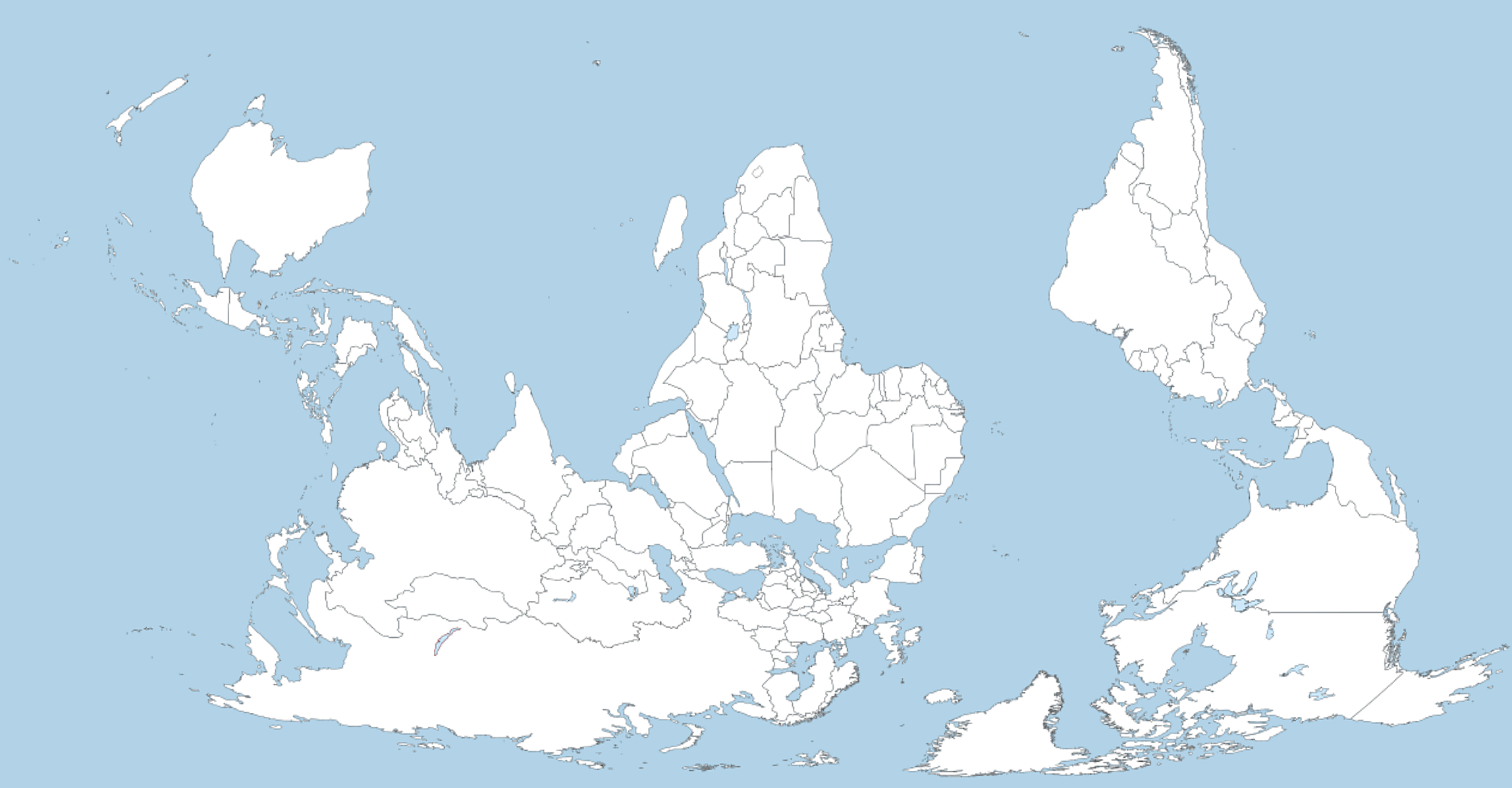
One of the most poignant examples of how our assumptions color our world view is the map at the top of this page. To many, this map appears to be upside down. In reality, though, the earth is spinning through space with no “up” or “down.” That perception is simply the view of reality we have assumed as truth. If we ask a different question, there is no “down under” or “top of the world.” There is simply all of us together, tenuously living on the beautiful bauble that is this earth.